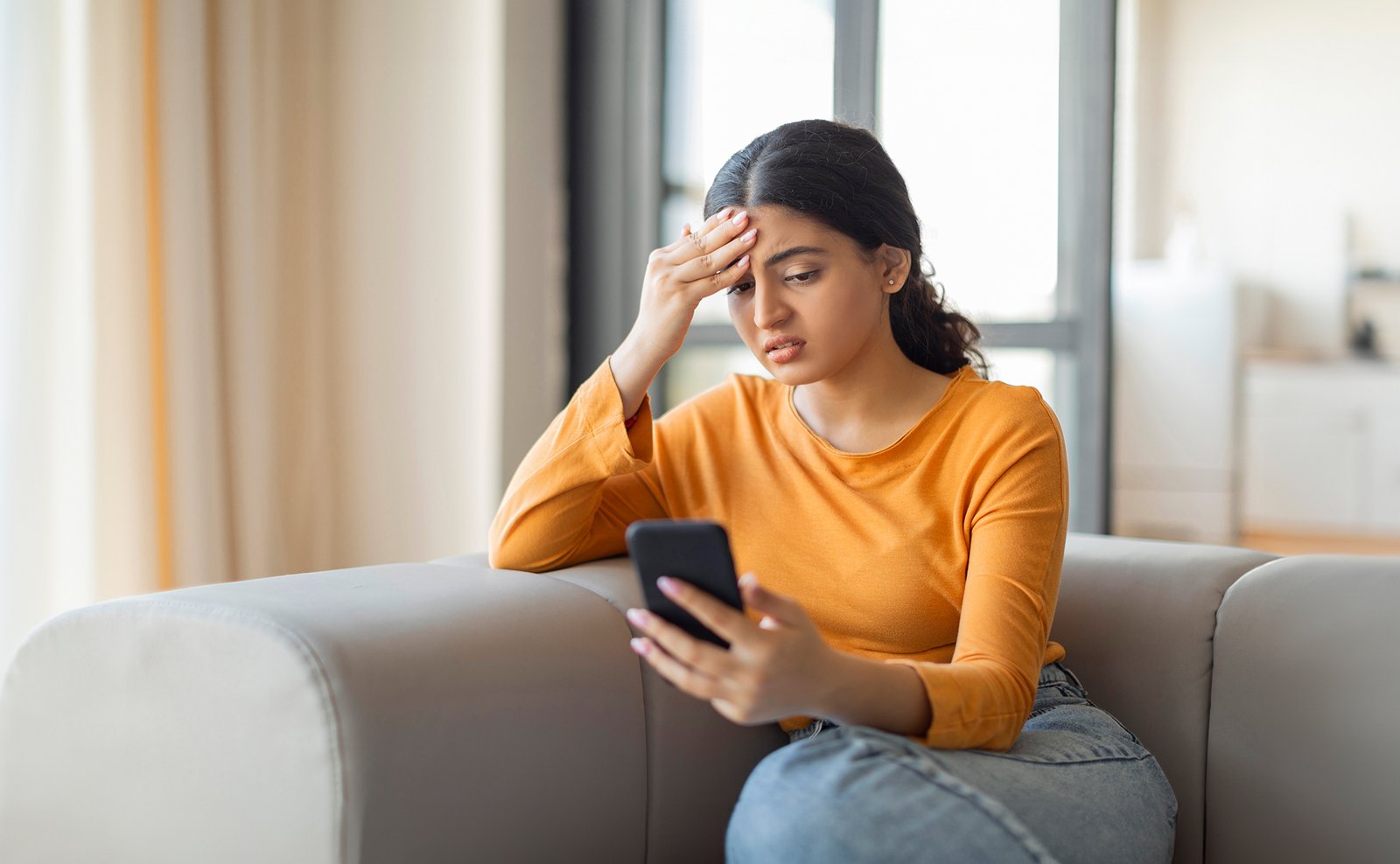
Social media is no longer just a platform for sharing updates. It has become an integral part of how we socialise, work, and relax. For many individuals, social media even defines their digital as well as real-world identity.
Undoubtedly, such platforms offer ways to connect within the community. Yet for others, it quietly drains emotional energy. The impact is rarely dramatic and builds slowly.
Social media helps us stay in touch with friends and reconnect with old classmates. It also helps to find peer support groups and speak openly about issues that once felt isolating. On one hand, individuals struggling with mental health concerns can connect with online communities. This helps to reduce stigma and create a sense of belonging.
In contrast, the effect shifts when social platform usage becomes excessive or emotionally driven. Overuse of social platforms often leads to comparison and emotional fatigue. Many people report feeling lonelier.
In fact, a 2023 meta-analysis published in JAMA Psychiatry reported that people spending more than 2 hours a day on social media had a 27% higher risk of developing major depressive disorder compared with those using it for less than an hour.
People Also Ask
What are the signs social media is hurting my mental health?
Key signs include self-esteem dropping after scrolling, compulsive checking behaviour, negatively comparing yourself to others, worsening anxiety or depression symptoms, and consistently spending more time online than with real-world friends.
Does online therapy help with social media-related anxiety?
Online therapy has strong evidence for treating anxiety broadly. Social media-related anxiety falls within this scope. An online psychologist consultation can help you identify unhealthy digital patterns and build practical coping strategies.
Understanding the psychology behind the pull
Social media platforms are designed to keep us engaged. Various features like notifications, likes, comments, and shares play with our brain’s reward system. When someone reacts positively to a post, dopamine is released. This is the same chemical involved in promoting addictive behaviours.
Over time, this can create psychological cravings. People begin checking their phones repeatedly to seek validation. This pattern is especially visible in younger users.
According to a 2022 dose-response meta-analysis published on PubMed, each additional hour of daily social media use was associated with a 13% increase in depression risk among adolescents.
Further, Fear of Missing Out intensifies this cycle. When people see others on holidays or celebrating promotions, they may feel that they are missing out. This creates the impression that the person feels that everyone else is living a fuller life.
This is evident, even for people who rationally understand that most people only share curated moments. The emotional response can still feel real for anyone.
People may suffer from a downward spiral
A common pattern of a downward spiral looks like this:
You feel lonely, bored, anxious, or stressed. You open social media to distract yourself or feel less alone. After scrolling, you feel worse, like dissatisfied, envious, or emotionally drained. Those worsening feelings push you back online.
This self-perpetuating loop tends to deepen symptoms of anxiety and depression. Moreover, heavy usage has been linked to increased loneliness. People may also suffer from self-harm thoughts. There have even been suicidal thoughts reported among vulnerable individuals.
5 Negative impacts of social media platforms
-
Sleep disruption
Many people tend to check their phones before bed or during the night. This interferes with sleep quality. Excessive exposure to blue light and constant notifications disturb natural sleep cycles. This also directly impacts mood stability.
-
Reduced attention span
Frequent alerts tend to fragment concentration. People find it difficult to focus deeply because the brain expects constant digital stimulation.
-
Isolation despite connection
Face-to-face interaction regulates stress more effectively. Various factors like eye contact, tone of voice, and physical presence activate calming neural pathways. However, people try to replace in-person relationships with virtual ones. This increases the risk of anxiety and depressive symptoms.
-
Cyberbullying
Online harassment often leaves deep and long-lasting emotional scars. When people face hurtful comments and public shaming, this can severely damage self-esteem, particularly among teenagers.
-
Self-absorption and validation dependence
Posting constantly for approval can shift self-worth from internal stability to external reactions. Body image is a major pressure point here, particularly among young women who use visually driven platforms daily.
Signs social media is affecting you
There is no specific number of hours that defines too much. The real question is impact.
It may be time to reassess your habits if you:
Spend more time online than with real-world friends. Compare yourself negatively to others’ appearances or achievements. Self-esteem drops after scrolling. Feel pressure to post regularly and gain engagement. Check your phone compulsively, even during driving, or wake up at night to check it. Your anxiety or depressive symptoms worsen after using social media.
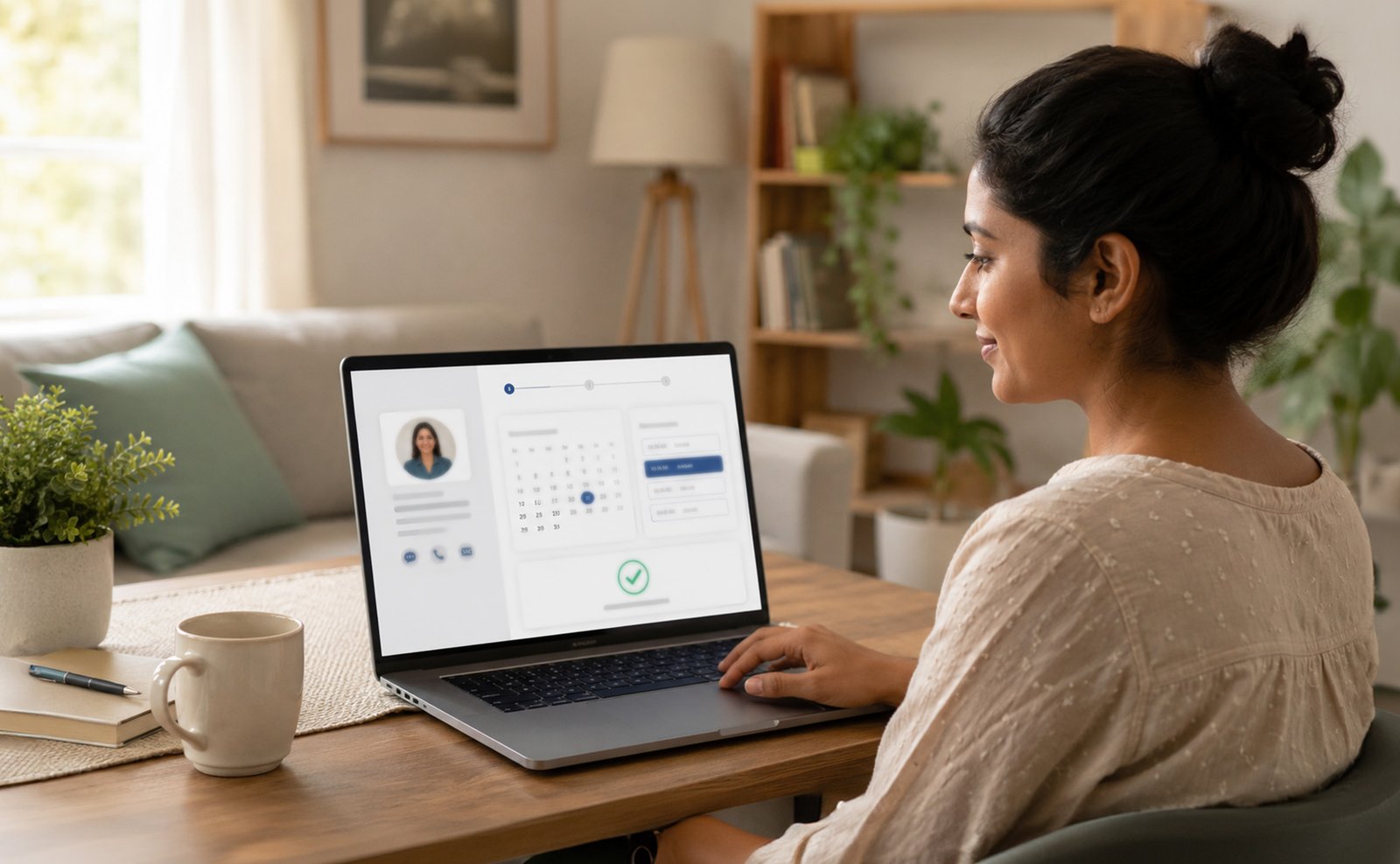
Pause and reflect on your digital habits. A qualified mental health therapist in Delhi can help you regain balance.
Dr. Sangeeta Gupta, psychologist and founder of Talk n Share, Rohini, Delhi, observes: “Many of my clients do not realise that their anxiety or low mood is being worsened by their social media habits. The connection becomes clear only when we examine their daily patterns in detail. Awareness is always the first step toward change.”
Pause and reflect on your digital habits.
A qualified mental health professional can help you regain balance.
Book an Appointment6 Simple ways to rebuild a healthier relationship with social media
-
Reduce digital time intentionally
A University of Pennsylvania study found that limiting social media to about 30 minutes daily significantly reduced anxiety, depression, loneliness, and sleep issues. While strict limits may not be realistic for everyone, mindful reduction helps.
- Turn off notifications.
- Keep devices out of the bedroom.
- Avoid checking your phone during meals and conversations.
-
Pause before logging in
Before you log in, ask yourself:
- Why am I opening this app?
- Is it boredom?
- Loneliness?
- Avoidance?
If you need a connection, you should consider calling a friend. Similarly, if you feel low, try taking a brisk walk. Indulge yourself in grounding exercises instead of scrolling.
If social media is affecting your emotional stability, an online psychologist consultation may help you get rid of negative thoughts and patterns.
-
Engage actively, not passively
Research suggests passive scrolling increases loneliness. Active engagement, like meaningful conversations and supportive comments, feels different from silent comparison.
-
Remember: social media is curated reality
People share highlights, not breakdowns. Avoid comparing your full life to someone else’s filtered moments. This will only create unrealistic expectations.
-
Practice gratitude offline
Keeping a gratitude journal shifts attention to the present. This reduces Fear of Missing Out and strengthens emotional grounding.
-
Invest in offline relationships
Schedule regular face-to-face interactions. Consider joining a hobby group. Volunteer. Shared physical presence helps to restore emotional balance.
Supporting Children and Teenagers
For adolescents, social media can intensify developmental insecurities. Instead of confiscating devices abruptly, open conversations work better.
- Monitor usage.
- Create device-free family time.
- Ensure phones are switched off at least one hour before bed.
- Encourage sports, creative hobbies, and in-person friendships.
Teach them that online popularity does not define worth. If underlying social anxiety, bullying, or academic stress exists, these issues must be addressed directly rather than simply limiting screen time.
Seek professional support when you need it
If you notice persistent sadness, anxiety, sleep disturbance, or emotional isolation linked to social media use, professional guidance can help uncover deeper patterns. Seeking help is not a sign of weakness. It is a step toward clarity.
Dr. Sangeeta Gupta, mental health therapist in Delhi, can provide tools to break unhealthy digital cycles and build emotional resilience.
If you are struggling with social media anxiety, don’t wait and take the first step towards your well-being. Contact us today for a consultation.
Frequently Asked Questions
1. How many hours of social media use is too much for mental health?
If social media use is leaving you anxious, emotionally drained, or consistently low after scrolling, it is already too much for you, regardless of the hours spent. There is no fixed safe number. The real measure is impact.
2. Does social media cause depression in teenagers?
Yes, it can worsen depression. Passive scrolling, constant comparison, and validation-seeking through likes can deepen low mood and anxiety in teenagers who are already vulnerable. The content consumed and emotional patterns matter as much as time spent online.
3. Can reducing social media use improve mental health?
Yes. Cutting back on daily use, even moderately, can reduce feelings of anxiety, loneliness, and low mood. Small, consistent changes like turning off notifications or avoiding screens before bed make a noticeable difference over time.
4. How can a mental health therapist help with social media-related stress?
A mental health therapist can help you identify the emotional triggers driving compulsive social media use, build healthier digital boundaries, and develop coping strategies that address the underlying anxiety or low self-esteem, not just the screen time itself.