
Health rarely feels urgent until it becomes a problem. Most people don’t wake up thinking about it. It sits quietly in the background until something shifts. A missed night of sleep, a recurring headache, a moment of anxiety that doesn’t go away. That’s usually when attention returns.
World Health Day 2026 exists to interrupt that pattern.
It brings health back into focus before something goes wrong. Not in a dramatic way, but in a practical one. It asks people to pause and look at how they’re living, not just how they’re feeling today. Because the two are rarely separate.
In recent years, even the way people seek psychological support has changed. Instead of waiting weeks for an appointment, many now begin with an online psychologist consultation. It’s not just about convenience. It reflects a growing awareness that health, especially mental health, needs timely attention, not delayed action.
Understanding the purpose behind World Health Day
World Health Day is observed every year on April 7th, marking the founding of the World Health Organisation. But the date itself is not the point. What matters is what it represents.
It was introduced to ensure that health doesn’t become an afterthought, either at a personal level or within larger systems. Over time, it has become a way to highlight gaps. Not just in treatment, but in awareness, accessibility, and understanding.
Health, as defined in one of the reference documents, is not just the absence of illness. It includes physical, mental, and social well-being. That definition sounds simple, but in practice, it is often overlooked. Most people still treat health in fragments—body separate from mind, symptoms separate from lifestyle.
World Health Day pushes back against that thinking. It encourages a more complete view.
Theme of World Health Day 2026
The theme for World Health Day 2026 is “Together for Health. Stand with Science.”
At first glance, it may sound like a broad, global message. But in reality, it connects directly to everyday experiences. It shows up when someone delays seeing a doctor because of cost. It shows up when a rural community struggles to access specialists. It shows up when people rely on online information instead of seeking professional advice because it feels quicker or easier.
At its core, the theme asks a practical question: What does it take to ensure that people receive the right care, at the right time, without unnecessary barriers?
It also highlights the role of collaboration. Health is not built by individuals alone. It depends on systems, science, and shared responsibility. But even within that, individual choices still matter.
Why does this day hold relevance?
There is no shortage of health information today. If anything, there is too much of it. People search for symptoms. They compare advice. They follow trends. And often, they end up more confused than before. This is one of the reasons World Health Day continues to matter. It creates a pause in that noise. It shifts the focus back to reliable, evidence-based care.
The reference blog points out how misinformation can easily spread, leading people to delay proper treatment or misunderstand their symptoms. That’s not a minor issue. It directly affects outcomes.
At the same time, lifestyle-related conditions are increasing steadily. Long hours, irregular routines, and constant digital exposure are quietly shaping how people feel—physically and mentally.
So, the role of this day is not just awareness. It’s correct.
Health is no longer just physical
One of the more noticeable shifts in recent years is how mental health is being discussed. Not long ago, it was either ignored or treated separately. Today, it’s recognised as part of overall wellbeing, but access and action still lag behind awareness.
Stress, burnout, and anxiety are no longer rare experiences. They are part of everyday life for many people. And yet, support is often delayed.
This is where approaches like online counselling are starting to bridge the gap. They don’t replace traditional care, but they make it more approachable. Especially for those who might hesitate to seek help otherwise.
World Health Day reinforces this idea that mental and physical health are not separate conversations. They influence each other constantly.
The role of systems vs personal responsibility
It’s easy to place the responsibility entirely on individuals like eat better, exercise more, and sleep well. But health doesn’t exist in isolation.
Access to healthcare, affordability, availability of information, and social environment all play a role. The reference content highlights how healthcare systems must ensure accessibility and affordability for real impact.
At the same time, personal habits still matter. The balance lies somewhere in between. Systems create the opportunity. Individuals make use of it.
10 Practical ways to build a healthier life
Tip 1: Eat with consistency
A balanced diet remains one of the most reliable foundations. It doesn’t require extreme changes, just consistency in choosing better options over time.
Tip 2: Keep your body moving
Physical activity, even in simple forms like walking, helps maintain both physical and mental stability. It’s less about intensity and more about regularity.
Tip 3: Take sleep seriously
Sleep is often underestimated. Yet, it affects everything from concentration to immunity. Skipping it repeatedly creates problems that build slowly.
Tip 4: Pause your mind
Mental pauses matter just as much as physical ones. Taking time away from constant stimulation—screens, notifications, noise—helps reset focus.
Tip 5: Stay hydrated
Hydration, though basic, is frequently ignored. It impacts energy levels more than people realise.
Tip 6: Reduce harmful habits
Limiting harmful habits is not about strict control. It’s about awareness. Small reductions can lead to noticeable changes.
Tip 7: Don’t skip check-ups
Regular check-ups shift the focus from reaction to prevention. They help catch issues early, when they are easier to manage.
Tip 8: Stay connected
Social connection plays a subtle but important role. Conversations, shared time, and support systems contribute to emotional stability.
Tip 9: Manage screen time
Managing screen time is becoming increasingly relevant. It affects sleep, posture, and attention span.
Tip 10: Ask for help when needed
And perhaps most importantly, knowing when to seek help. Not everything needs to be handled alone.
These are not dramatic steps. But they are effective because they are sustainable.
Final thoughts
World Health Day 2026 does not introduce new ideas. It brings attention back to what already matters. Health is not built in a day. It’s shaped over time, through routines, decisions, and awareness. The challenge is not knowing what to do. Most people already do. The challenge is doing it consistently, even when nothing feels wrong.
And that’s where this day becomes useful. It acts as a reminder. Not urgent. Not overwhelming. Just enough to pause, reflect, and adjust. Sometimes, that’s all it takes to move in the right direction.


OUR LATEST BLOGS
Read our latest blog posts and find out how can you improve your life immediately.

March 31, 2026
How to Find the Right Relationship Counsellor for Your Needs?
When a relationship starts feeling strained, most people don’t immediately think of seeking help. They try to fix things on their own. Sometimes it works for a while. But often, the same arguments return, the same misunderstandings repeat, and over time, the gap quietly grows wider. This is usually the point where people start searching […]
Read More
February 17, 2026
How Social Media Affects Mental Health in 2026
Social media is no longer just a platform for sharing updates. It has become an integral part of how we socialise, work, and relax. For many individuals, social media even defines their digital as well as real-world identity. Undoubtedly, such platforms offer ways to connect within the community. Yet for others, it quietly drains emotional […]
Read More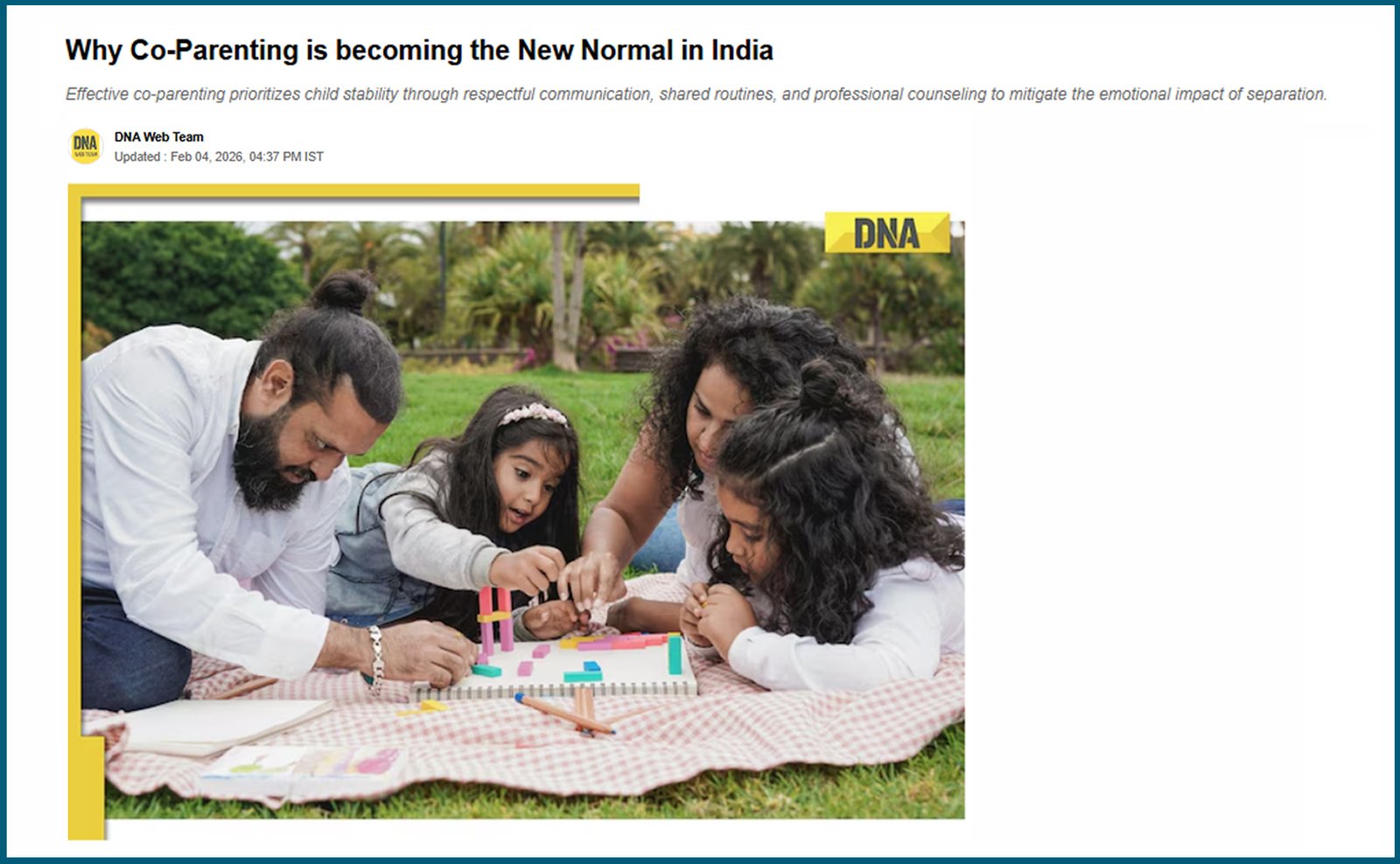
February 13, 2026
Dr. Sangeeta Gupta’s Expert Insights on Co-Parenting Published in DNA India
We are proud to share that Dr. Sangeeta Gupta, Founder and Lead Psychologist at Talk n Share, has contributed expert insights to DNA India in an article titled “Why Co-Parenting is Becoming the New Normal in India.” The feature explores an important shift in modern Indian families. It also covers the growing acceptance of structured, […]
Read More