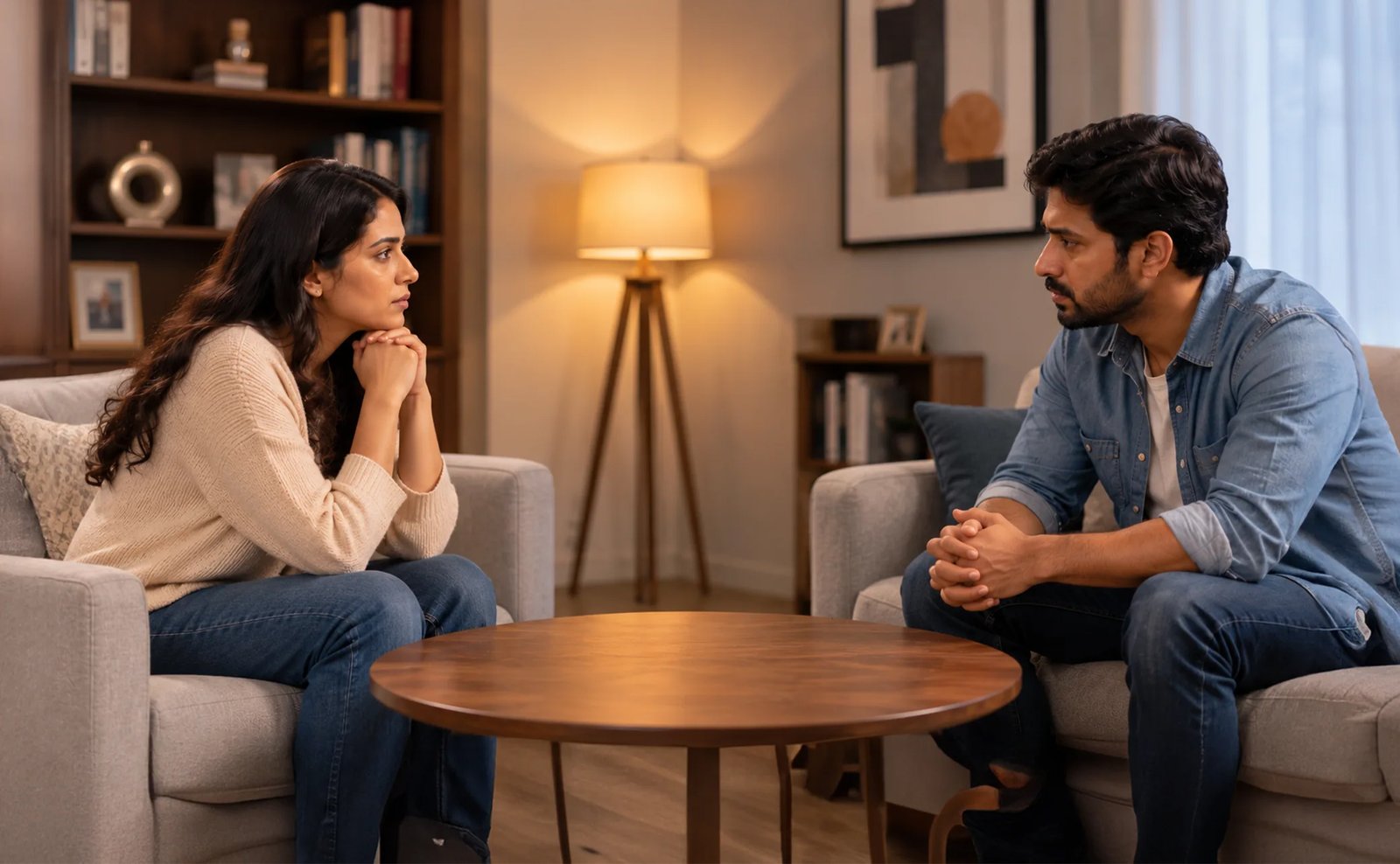
“I don’t need a counsellor. The problem is with you.” If you’ve heard some version of this after suggesting counselling, you know how lonely it feels. You want to fix things, and your partner won’t even sit in the room. So you start wondering whether marriage counselling is worth trying on your own.
It is. Couples therapy works best when both partners attend, but a good marriage counsellor in Delhi can still help you change the patterns that keep your marriage stuck. And sometimes, that change is exactly what brings the other partner in later.
People Also Ask
How do you choose the best marriage counsellor in delhi?
Check qualifications, couples-therapy experience, confidentiality, session format, fees, and reviews, then choose a counsellor both of you feel comfortable with.
How much do couples therapy sessions typically cost?
Sessions at Talk n Share cost between ₹1,800 and ₹2,800: ₹1,800 for a 60-minute individual session and ₹2,800 for a 90-minute couples session.
Can Marriage Counselling Work When Only One Partner Attends?
If you’re the only one in your marriage who wants help right now, it’s natural to wonder whether going alone is even worth it. In many cases it is, because the way a couple argues is something you’ve both built together over time, and when you change your part in it, your partner often finds it hard to keep responding in the same old way.
You’ve probably experienced this. You tell your partner, “You never have time for me,” they immediately get defensive and turn to their phone, and you end up feeling even more ignored, which triggers you, and soon it turns into silence or a fight.
Counselling helps you find a different way into that same conversation. Instead of starting with a complaint, you might say, “I miss our evenings together. Can we keep Sunday free?” That’s much harder for your partner to feel attacked by, and quite often they soften because there’s nothing left to defend against.
It also helps to know that you don’t have to solve every problem before things get better. Psychology Today, summarising Dr. John Gottman’s research, reports that around 69 percent of couples’ conflicts are perpetual, which simply means they keep coming back in some form. What makes a marriage feel lighter is how the two of you handle those disagreements, and that’s something you can start changing on your own, even before your partner is ready to join you.
Dr. Sangeeta’s quote after these paragraphs is unchanged. If this tone works for you, I can rewrite the rest of the blog the same way.
What Happens in Individual Sessions
Individual sessions focus on what you can understand and change, not on proving that your spouse is the problem. A trusted marriage counsellor in Delhi won’t let your hour turn into a venting session. Sessions usually involve:
- Getting clear on what’s going wrong and what you actually want from the marriage.
- Spotting your own triggers, the moments when a small issue turns into a full fight.
- Practising how to raise difficult topics without blame.
- Setting boundaries with in-laws or the joint family that you can actually hold.
At Talk n Share, Dr. Sangeeta draws on approaches such as CBT, Transactional Analysis and mindfulness-based techniques, depending on what you’re dealing with. Expect small tasks between sessions. Most of the real change happens at home, not in one hour in a counsellor’s room.
How to Get Your Partner to Join You
Most refusals come from fear, not a lack of love. In many Indian homes, people grow up hearing that family matters should stay within the family, so talking to an outsider feels like betraying them. Some worry about what people will say if relatives or neighbours find out, while others think therapy is only for people with serious problems.
A hesitant partner may refuse to go because they imagine walking into a room where two people will point out everything they’ve done wrong. Husbands sometimes see counselling as admitting failure, while some wives worry they’ll just be told to compromise and adjust, the same advice they’ve been hearing from elders for years.
That’s why pressure backfires. A partner pushed in with an ultimatum like “Come to counselling or I’m leaving” will sit with arms folded, determined to prove it doesn’t work. These approaches tend to land better:
- Pick a calm moment, never the middle of a fight.
- Talk about the relationship, not their faults. “I want us to feel close again” lands better than “You need help.”
- Ask for one session, not “therapy.” “Just try it once with me” feels far less threatening than an open-ended commitment.
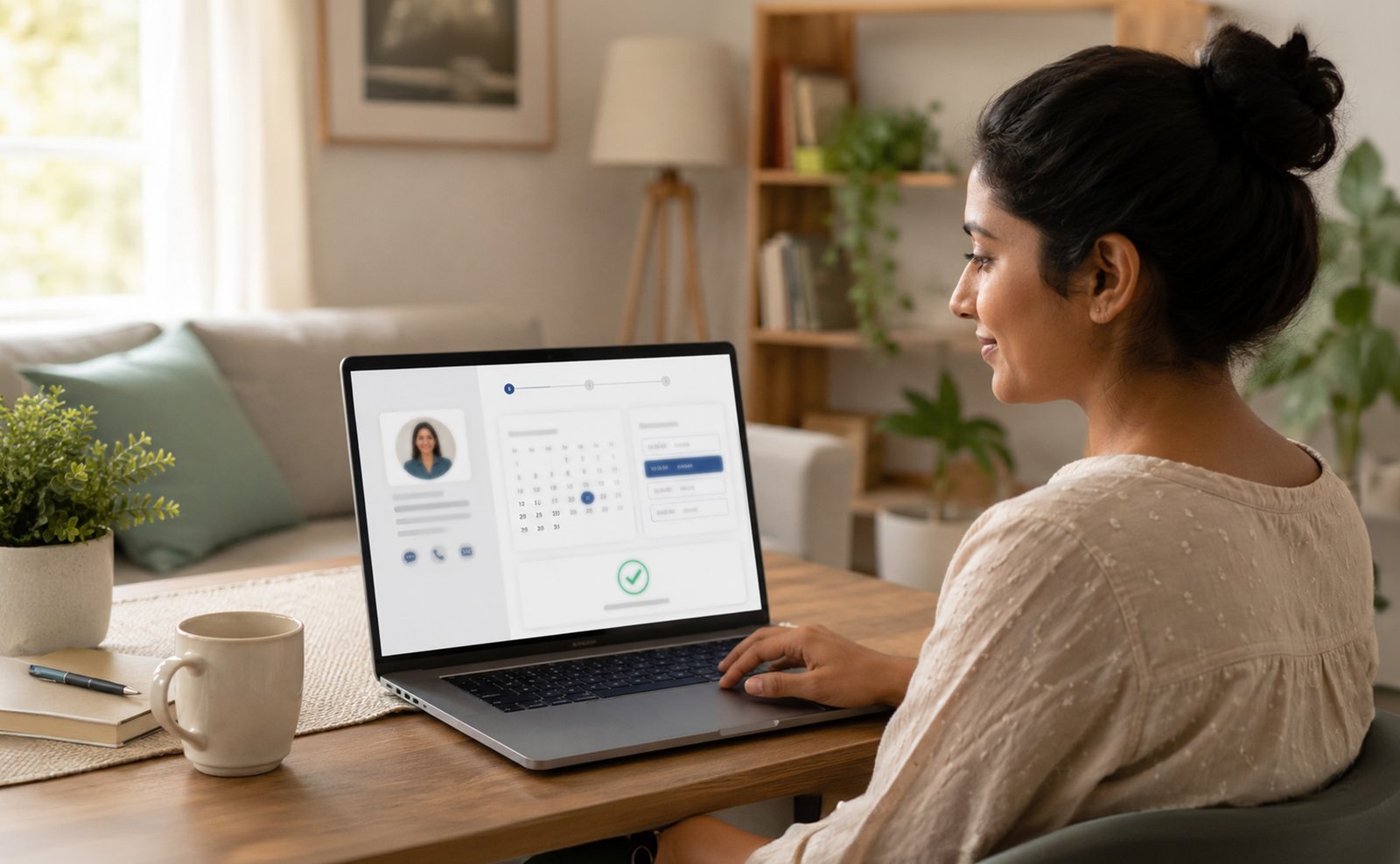
- Suggest an online session. Online relationship counselling in Delhi lets a hesitant partner join from home, without being seen walking into a clinic.
- Let the changes speak. Many spouses come around after noticing you’re calmer and the fights are shorter.
If they agree, couple counselling can build on the work you’ve already done. If they don’t, your sessions still count.
When You Shouldn’t Wait for Your Partner
You don’t need to wait for your partner to say yes if the same fight keeps coming back every week, if you’ve stopped sharing even small things just to avoid an argument, or if you feel emotionally tired most days. Bitterness builds slowly and quietly, and by the time many couples finally reach out for help, one partner is already worn out from holding the marriage together alone.
Talking to a marriage consultant in Delhi can help you make sense of what you’re feeling before it turns into distance between the two of you. While choosing one, don’t just go by the labels and ratings you see online. Instead, check their qualifications and whether they have real experience working with couples.
Sometimes, counselling isn’t about saving the marriage at all. If your partner hits you, threatens you, or controls your money, phone, or where you go, your safety has to come first. Couples sessions are not the right choice when there is abuse, but individual counselling can help you think clearly and plan your next steps safely.
The same is true if your spouse refuses to end an affair, or if alcohol or any other addiction is behind the fights. In these situations, counselling helps you see things as they really are, instead of hoping everything will sort itself out on its own.
Final Takeaway
You can’t change your spouse, but you can change your side of the pattern, and that often changes the whole marriage. Sometimes it brings your partner into counselling. Sometimes it gives you the clarity to decide what’s next. Either way, a few honest conversations with a marriage counsellor in Delhi are a better use of your energy than waiting for the other person to say yes.
If you’ve been thinking about marriage counselling, this may be the right time to take that first step, even on your own. Contact us today to begin your marriage counselling journey.
Frequently Asked Questions
1. How long does it take to see a change if I attend counselling alone?
It varies. Some people notice calmer conversations at home within a few sessions, while deeper patterns can take a few months. What matters most is practising what you learn between sessions, and your counsellor will review progress with you regularly.
2. What are the benefits of seeking professional marriage guidance?
Professional guidance improves communication, helps you manage recurring conflicts, rebuilds trust, and supports informed decisions in a safe, neutral setting. Even if only one partner attends, it gives that person tools and clarity they can use at home.
3. Can counselling help if my spouse has already asked for a divorce?
It can still help you. Sometimes a calmer, clearer response reopens a conversation your spouse thought was over. Even if it doesn’t, counselling supports you through separation decisions, co-parenting concerns, and the emotional weight of what’s happening.
4. What kind of counselling helps when only one partner attends?
Look for a counsellor who works on relationship patterns, not just individual stress. At Talk n Share, Dr. Sangeeta uses approaches such as CBT and Transactional Analysis. Before booking relationship counselling in Delhi, ask whether the counsellor regularly works with one partner alone.