
When a relationship starts feeling strained, most people don’t immediately think of seeking help. They try to fix things on their own. Sometimes it works for a while. But often, the same arguments return, the same misunderstandings repeat, and over time, the gap quietly grows wider.
This is usually the point where people start searching for a relationship counsellor near me. Not because they’ve failed, but because they’ve realised that some problems need structure along with effort.
Finding the right counsellor, however, isn’t always straightforward. It’s not just about availability. It’s about fit, comfort, and whether both partners feel understood in the process.
This guide will help you approach that decision with clarity.
Understanding what relationship counselling really helps with
Before choosing a counsellor, it helps to understand what you’re stepping into.
Relationship counselling isn’t about deciding who is right or wrong. A good therapist doesn’t take sides. Instead, they focus on patterns like how you communicate, how conflicts escalate, and where the disconnect begins.
In structured approaches like couples therapy, the focus shifts from “me vs. you” to “us vs. the problem.” That shift alone changes how conversations happen.
Over time, counselling helps you:
- Recognise recurring behavioural patterns
- Improve communication without escalation
- Understand emotional triggers
- Build practical ways to handle conflict
It’s not always comfortable, but it is usually constructive.
Here are 6 tips to find the right relationship counsellor
Tip1 – Start with clarity: what do you actually need?
One of the biggest mistakes people make is searching without clarity. Typing relationship counselling near me into a search bar is easy. Knowing what you need help with is harder, but it is far more important. Ask yourself (and your partner, if possible):
- Are we struggling with communication?
- Is trust an issue?
- Are we trying to repair after a major conflict?
- Or do we simply feel disconnected?
Your answers will shape your search.
For instance, someone looking for structured conflict resolution may benefit from a therapist experienced in couples therapy. However, someone dealing with family dynamics may need a broader approach. Clarity saves time. It also improves outcomes.
Tip2 – Search with intent
Most people begin online. That’s expected. But the way you search makes a difference. Rather than using a broad search like “relationship counsellor near me”, refine your search based on your needs. You should also look at specialisations, not just proximity.
For instance, if you’re in North Delhi, you might come across options like a family counsellor in Rohini or a similar service offering. Location matters for convenience. But experience and approach matter more.
Also, don’t ignore online sessions. Many couples now prefer them because they reduce travel, scheduling stress, and sometimes even hesitation.
Tip3 – Ask questions, even before you start
You’re allowed to ask questions. In fact, you should. Before committing, it helps to understand how the process will work in practice. Ask how the sessions are structured and what a typical session looks like. It’s also useful to understand how long the process usually takes, so you have a realistic expectation from the start.
You may also want to check whether they’ve handled similar concerns before and how they approach situations where partners disagree. This gives you a clearer sense of how they work in real scenarios.
These conversations can happen over a call or during an initial consultation. Many people tend to rush this step, which often leads to mismatched expectations later.
Take your time here. It’s worth it.
Tip4 – Check experience, not just qualifications
A degree matters. But experience matters more. A good relationship counsellor should have:
- Specific experience in relationship or marital issues
- Familiarity with structured therapy models
- The ability to remain neutral during conflicts
Some therapists use defined frameworks. Others take a more flexible approach. Neither is inherently better, but one may suit you more than the other.
For example, if you’re searching again for a relationship counselling Pitampura, take a moment to look beyond the first result. Go through profiles carefully and pay attention to how therapists describe their approach, as this often reveals more than credentials alone.
Tip5 – Give the process time, but stay aware
Even with the right therapist, the first session may feel unfamiliar. Sometimes uncomfortable. That’s normal. What matters is how things evolve over a few sessions.
Take a moment to reflect on your experience. Consider whether you feel heard during the sessions and if the therapist maintains a balanced, neutral approach. It’s also important to notice whether conversations are moving forward, even if the progress feels gradual.
In couple therapy, progress is rarely immediate. It builds over time through small shifts in communication and understanding. At the same time, don’t ignore red flags. If the therapist appears biased or dismissive, it’s okay to reconsider.
Tip6 – Remember: feedback is part of the process
Many people hesitate to give feedback. They assume the therapist “knows best.” But counselling works best when it’s collaborative.
For example, if something isn’t working, you should convey it to the therapist. Similarly, if something feels helpful, acknowledge it. A good therapist adjusts. That’s part of their role.
Analyse when location matters and when it doesn’t
There are practical reasons to consider proximity. Searching for a relationship counsellor near me ensures:
- Easier scheduling
- Less travel fatigue
- Better consistency in attending sessions
But if you find a therapist who feels like the right fit, don’t limit yourself strictly by distance. Online sessions have made access much more flexible. In many cases, consistency matters more than convenience.
Final thought
Choosing the right relationship counsellor is less about finding the “best” option and more about finding the right one for you. It takes a bit of effort. A bit of patience. And a willingness to be honest with yourself and with your partner.
Whether you’re exploring couples therapy for the first time or simply trying to reconnect, the right guidance can create a meaningful shift. And sometimes, that shift begins with something as simple as typing relationship counsellor near me and taking the next step with intention.


OUR LATEST BLOGS
Read our latest blog posts and find out how can you improve your life immediately.

February 17, 2026
How Social Media Affects Mental Health in 2026
Social media is no longer just a platform for sharing updates. It has become an integral part of how we socialise, work, and relax. For many individuals, social media even defines their digital as well as real-world identity. Undoubtedly, such platforms offer ways to connect within the community. Yet for others, it quietly drains emotional […]
Read More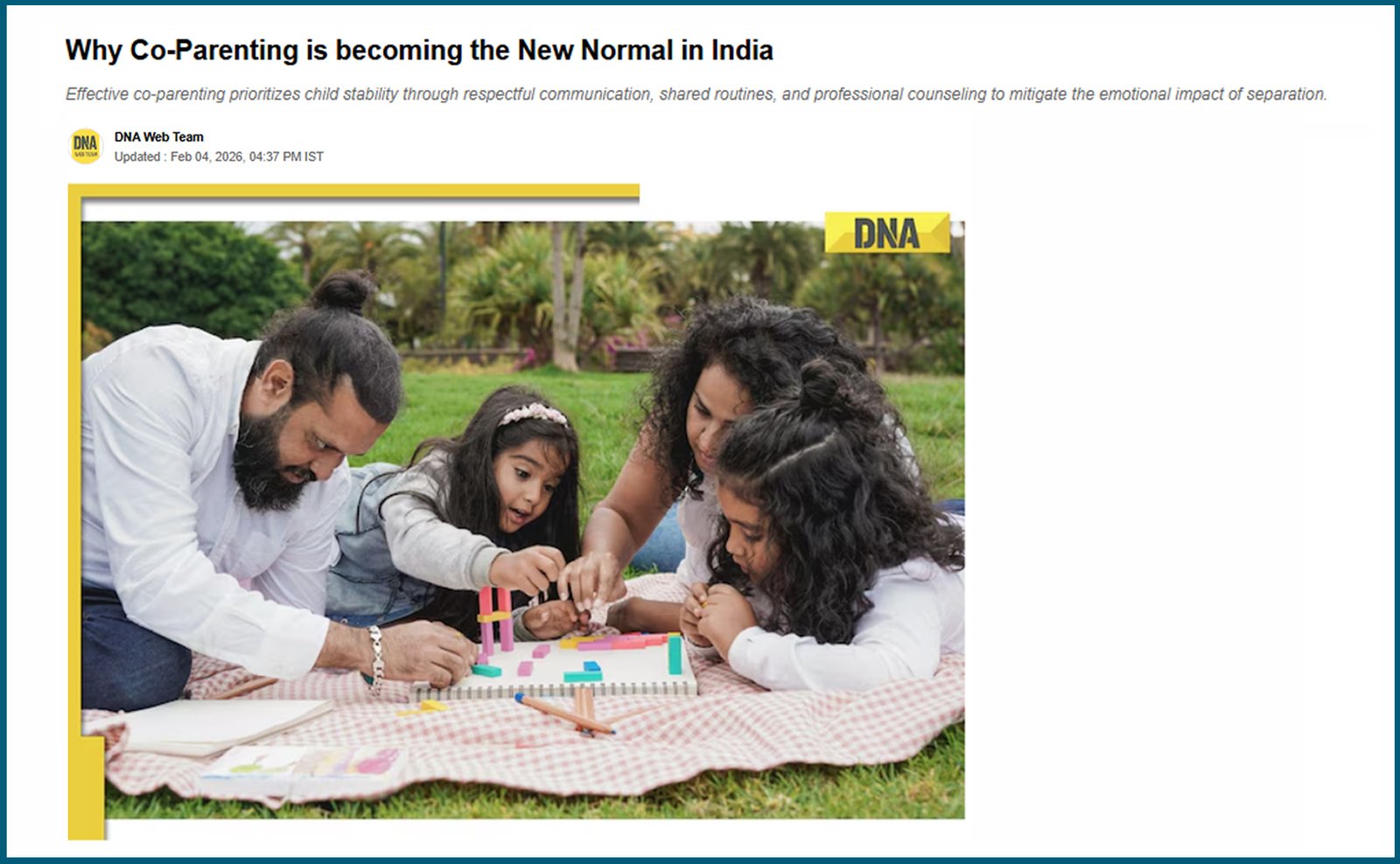
February 13, 2026
Dr. Sangeeta Gupta’s Expert Insights on Co-Parenting Published in DNA India
We are proud to share that Dr. Sangeeta Gupta, Founder and Lead Psychologist at Talk n Share, has contributed expert insights to DNA India in an article titled “Why Co-Parenting is Becoming the New Normal in India.” The feature explores an important shift in modern Indian families. It also covers the growing acceptance of structured, […]
Read More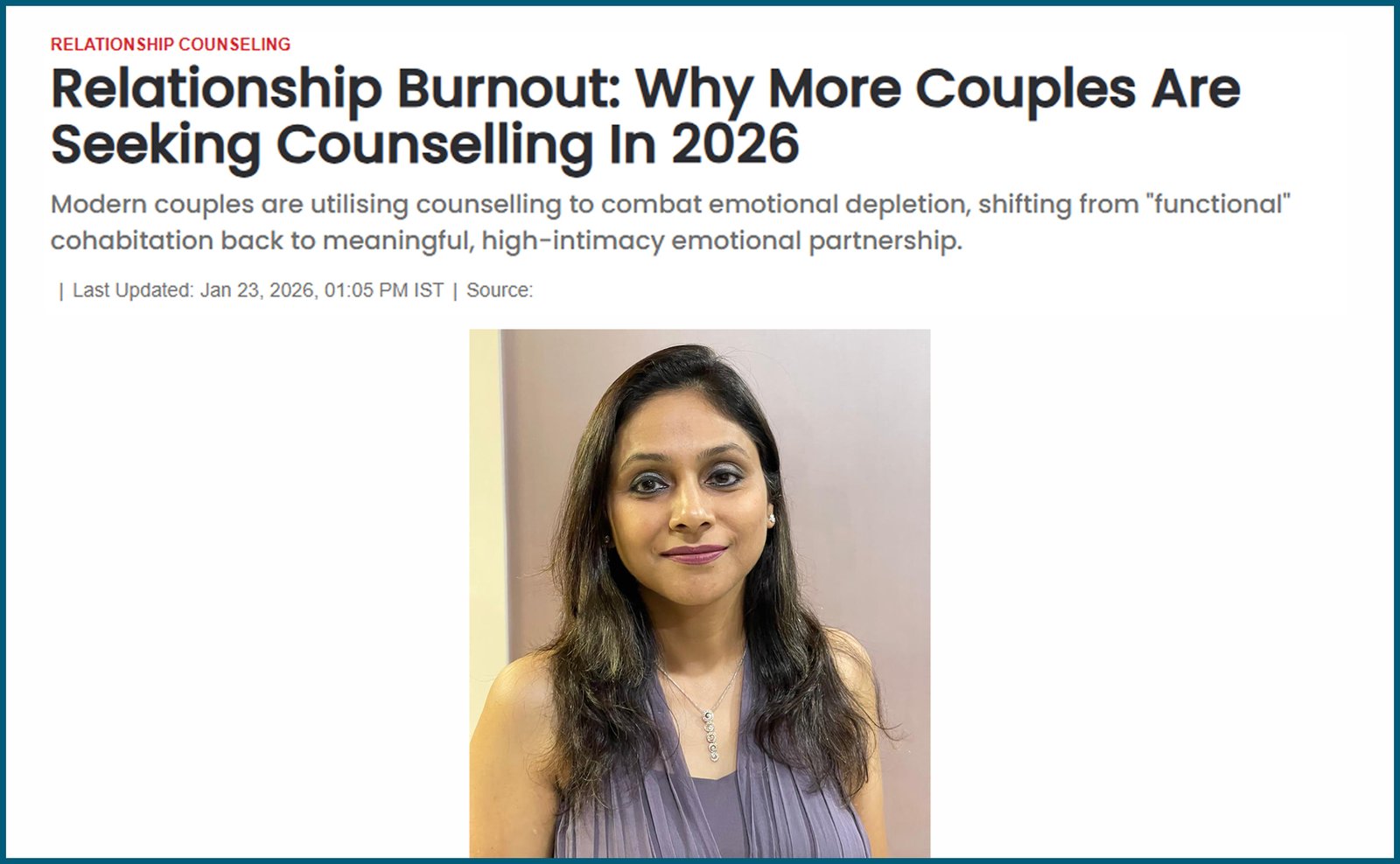
February 9, 2026
Insights by Dr. Sangeeta Gupta on Couples Counselling in 2026 on Zee News
We are pleased to share that a recent thought-leadership article by Dr. Sangeeta Gupta, Founder and Lead Psychologist at Talk n Share, has been published on Zee News. The article, “Relationship Burnout: Why More Couples Are Seeking Counselling In 2026,” explores a growing yet often unspoken reality in modern relationships, emotional exhaustion within long-term partnerships. […]
Read More