
Over the past decade, anxiety disorders in India have seen a significant surge. This mental health issue is affecting people across all age groups and socioeconomic backgrounds. As much as the issue has become so severely common that even young children and senior citizens are failing to escape anxiety.
Did you know? Anxiety disorders are among the most common mental illnesses in India, affecting 18.1% of the population. But why are we moving towards such an illness? Are there some common factors affecting all of us? Can we really escape anxiety? Let’s find out.
What are anxiety disorders?
Anxiety disorders are simply a group of mental health conditions characterized by excessive fear, worry, and behavioral disturbances. The feeling of worry can be even for simple tasks like when your order will be delivered or very important life decisions like choosing your life partner. Different people have unique concerns, and anxiety can easily grasp anyone feeling lonely and sad. In many cases, even seemingly happy people with a well-to-do life suffer from anxiety. Accessing anxiety counseling in Rohini provides professional guidance to manage anxiety and restore emotional balance.
These include:
- Generalized Anxiety Disorder (GAD)
- Panic Disorder
- Social Anxiety Disorder
- Specific Phobias
- Obsessive-Compulsive Disorder (OCD)
- Post-Traumatic Stress Disorder (PTSD)
Which factors are contributing to alarming anxiety?
There are tons of reasons that are affecting people’s thought processes, and pinpointing the exact one for a person can be challenging. However, some of the general reasons affecting people are as follows:
Academic Pressure: Intense competition for limited seats in higher education and professional courses can cause immense stress among students. Academic pressure is one of the prime reasons affecting mental health in India among youth.
Digital Overstimulation: An ongoing constant exposure to news and social media pressures is troublesome for many. People often feel blurred personal and professional life boundaries contribute to a heightened sense of anxiety.
Decline in Social Interaction: Despite being “connected” digitally, people are failing to gain real-life social interaction. This further leads to feelings of loneliness and isolation, which can exacerbate anxiety. In fact, lack of social interaction is among the leading causes behind rising anxiety disorders in India.
Intolerance for Discomfort: Increased pressure for instant gratification and fear of missing out can lead to a decline in emotional resilience and higher anxiety levels.
Socioeconomic Factors: India is a nation with very deep socioeconomic differences among the society. On one side, we have some of the richest people in the world in India, and on the other, we have people committing suicide due to hunger, financial issues, etc. Poverty, unemployment, and financial strain further contribute to anxiety and stress.
Mental Health Stigma: Despite increasing awareness, seeking help for anxiety remains a challenge due to the fear of judgment and stigma. This creates a significant treatment gap and further increases the percentage of people suffering from anxiety disorders in India.
Talking to a professional can make a huge differenceAnxiety is real, and it’s often rooted in pressures we silently carry every day
What You Can Do Personally for Yourself or Helping Someone You Know – Coping with Anxiety
While anxiety disorders require professional treatment in many cases, lifestyle changes and self-care can play a huge role in managing symptoms. Here’s how:
1. Seek Professional Help
Do not shy away from consulting a psychologist or psychiatrist as it is the first step. Therapy methods like Cognitive Behavioral Therapy (CBT) have proven effective for anxiety disorders. Mental health counselling in Delhi can help you learn and master skills to combat anxiety and depression.
2. Practice Mindfulness and Meditation
Mindfulness practices like deep breathing, guided meditation, and yoga can help calm the mind and reduce anxiety. Mental health apps and traditional practices, are gaining popularity across urban India.
3. Limit Screen Time and Social Media Use
Unplug regularly to reduce digital fatigue. Set boundaries with your phone and social media apps. Curating your digital experience by unfollowing triggering accounts can make a surprising difference.
4. Stay Physically Active
Exercise is a powerful, natural anti-anxiety treatment. Even a 30-minute walk daily can lower stress hormones and boost endorphins. Activities like swimming, running, and exercise also promote mental well-being.
5. Maintain a Healthy Diet and Sleep Routine
Avoid excessive caffeine and sugar, both of which can trigger anxiety. Prioritize regular meals and aim for 7–8 hours of sleep every night. A person with a tired brain is more prone to anxiety and emotional instability.
6. Talk About It
Sharing your feelings with your trusted friends/family members can be incredibly therapeutic. Try to indulge in a support group or mental health forum online to connect with others suffering from similar challenges. You’re not alone.
Conclusion
The rising prevalence of anxiety disorders in India is a serious issue that requires a multi-pronged approach involving individual actions, professional support, and societal changes. By addressing the contributing factors and promoting mental health awareness, individuals can better manage their anxiety and improve their overall well-being.
AT Talk n Share, we provide psychotherapy sessions with a certified and experienced psychologist. You can book online or in-person sessions for you or your loved ones.


OUR LATEST BLOGS
Read our latest blog posts and find out how can you improve your life immediately.

February 17, 2026
How Social Media Affects Mental Health in 2026
Social media is no longer just a platform for sharing updates. It has become an integral part of how we socialise, work, and relax. For many individuals, social media even defines their digital as well as real-world identity. Undoubtedly, such platforms offer ways to connect within the community. Yet for others, it quietly drains emotional […]
Read More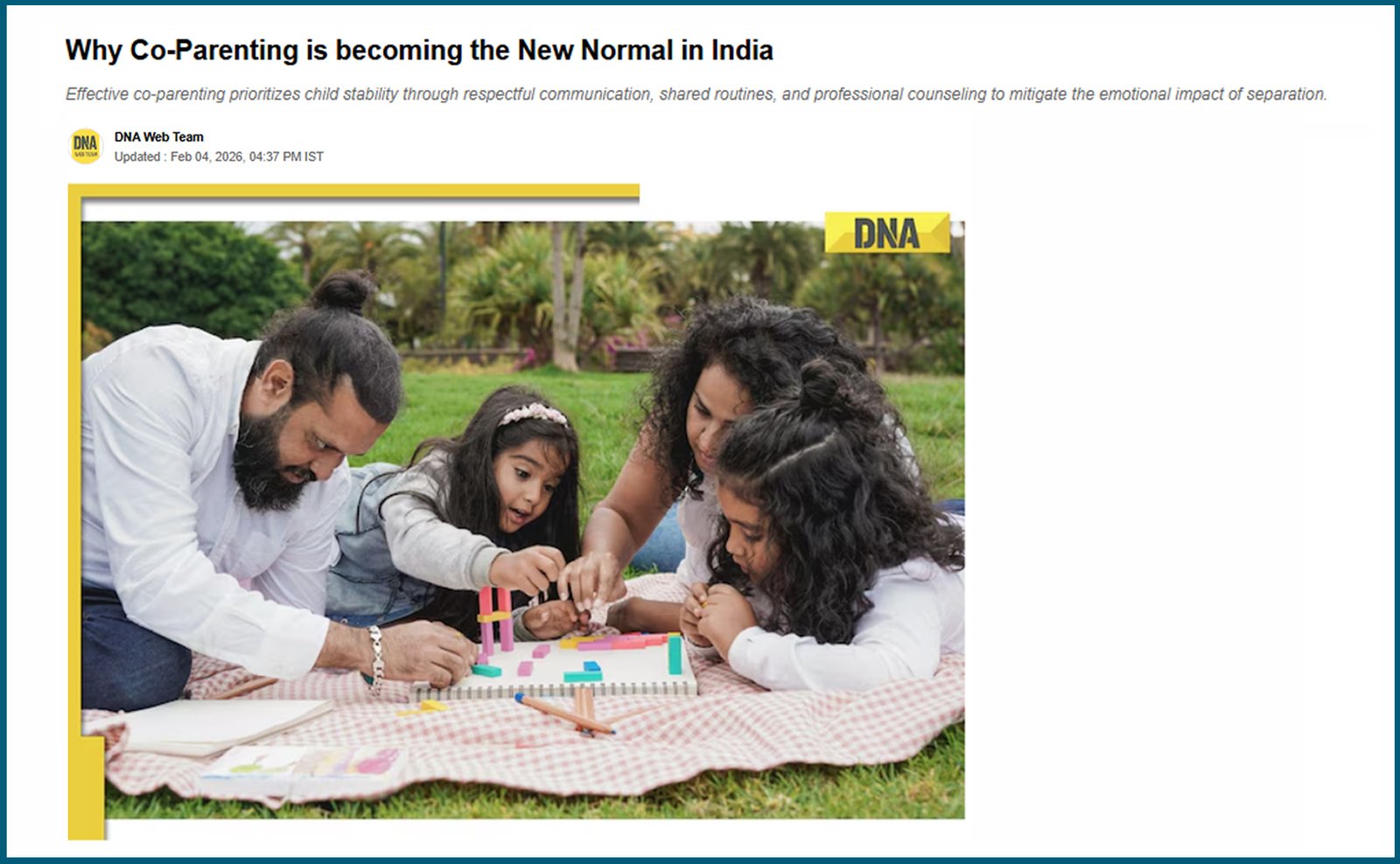
February 13, 2026
Dr. Sangeeta Gupta’s Expert Insights on Co-Parenting Published in DNA India
We are proud to share that Dr. Sangeeta Gupta, Founder and Lead Psychologist at Talk n Share, has contributed expert insights to DNA India in an article titled “Why Co-Parenting is Becoming the New Normal in India.” The feature explores an important shift in modern Indian families. It also covers the growing acceptance of structured, […]
Read More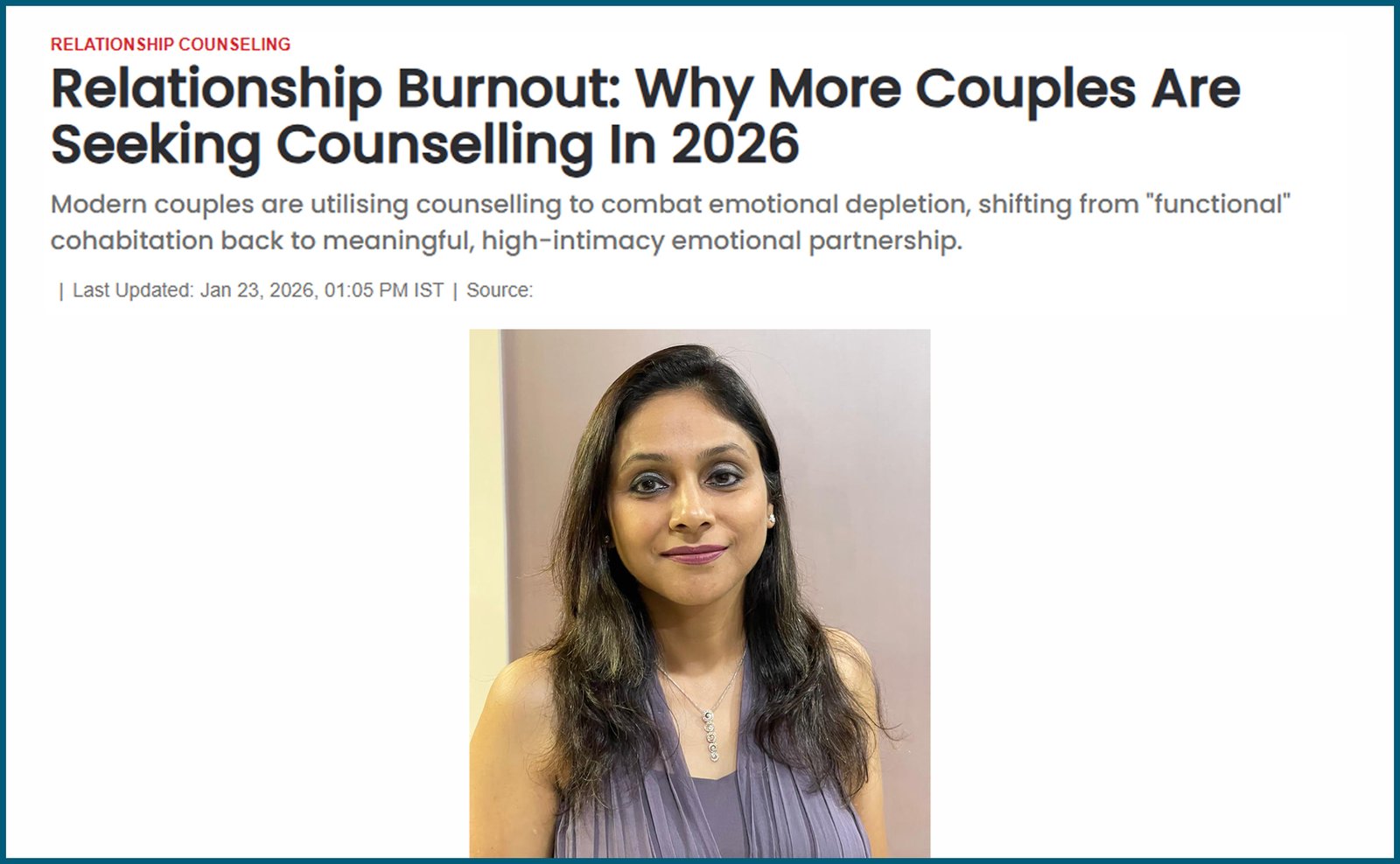
February 9, 2026
Insights by Dr. Sangeeta Gupta on Couples Counselling in 2026 on Zee News
We are pleased to share that a recent thought-leadership article by Dr. Sangeeta Gupta, Founder and Lead Psychologist at Talk n Share, has been published on Zee News. The article, “Relationship Burnout: Why More Couples Are Seeking Counselling In 2026,” explores a growing yet often unspoken reality in modern relationships, emotional exhaustion within long-term partnerships. […]
Read More